Planning 5 min read
Starting a small glamping site in Serbia: plan the phases before ordering cabins
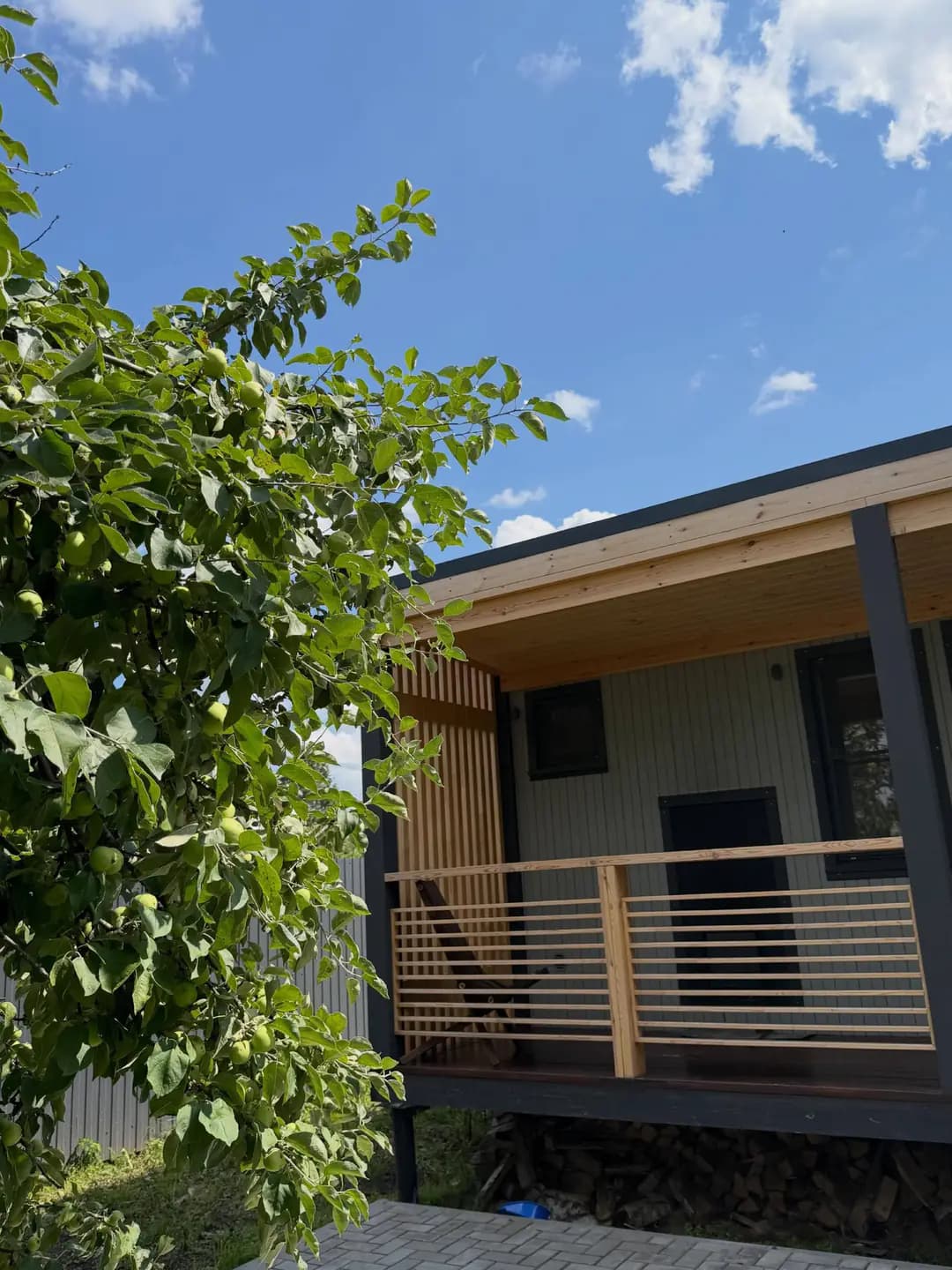
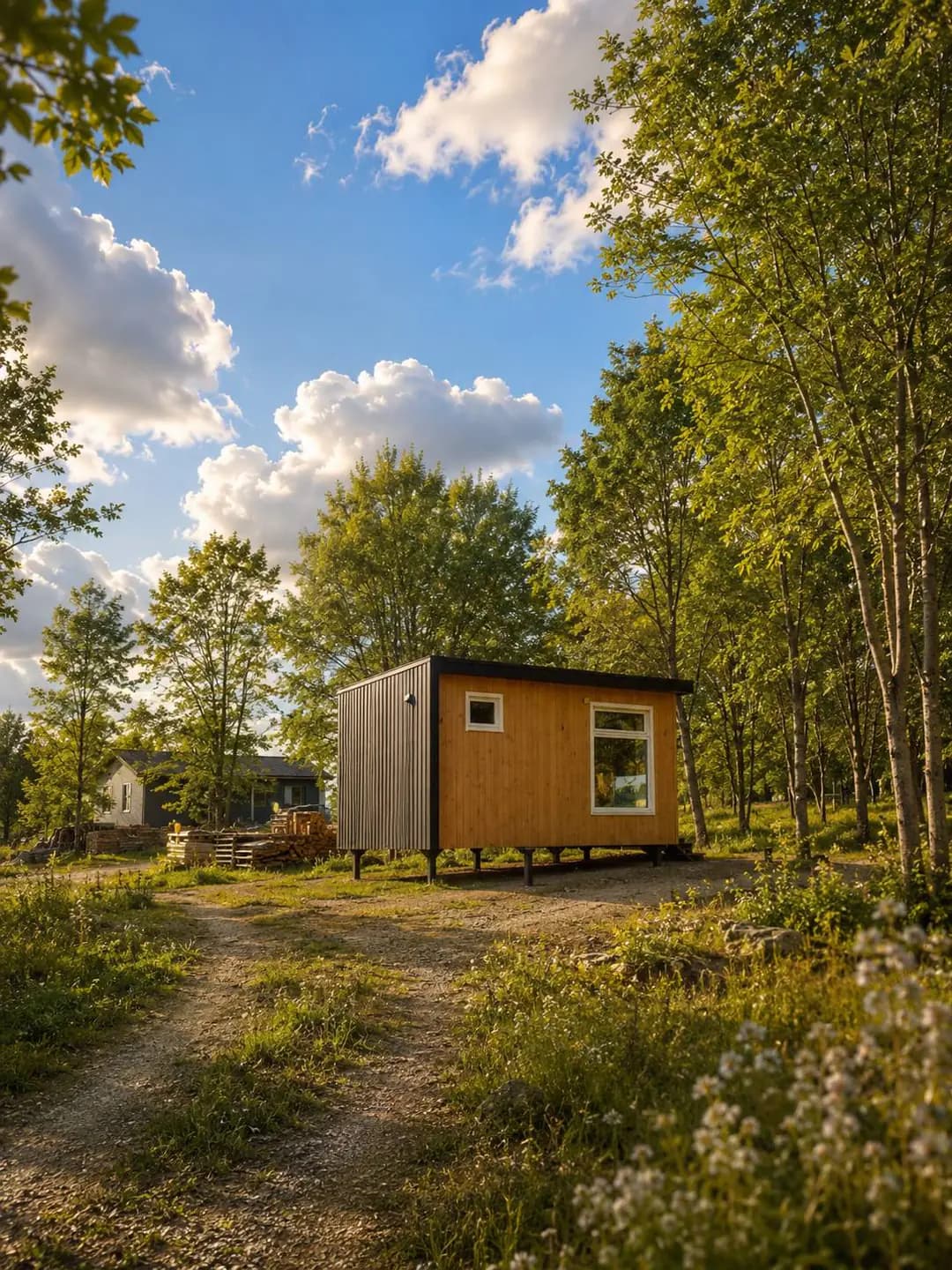
Buying the first cabin is only one part of opening a small accommodation business. Guests also need a reliable arrival, water, wastewater handling, cleaning and someone who can solve a problem. A phased project works best when the first stage is complete enough to operate and later stages have been considered from the beginning.
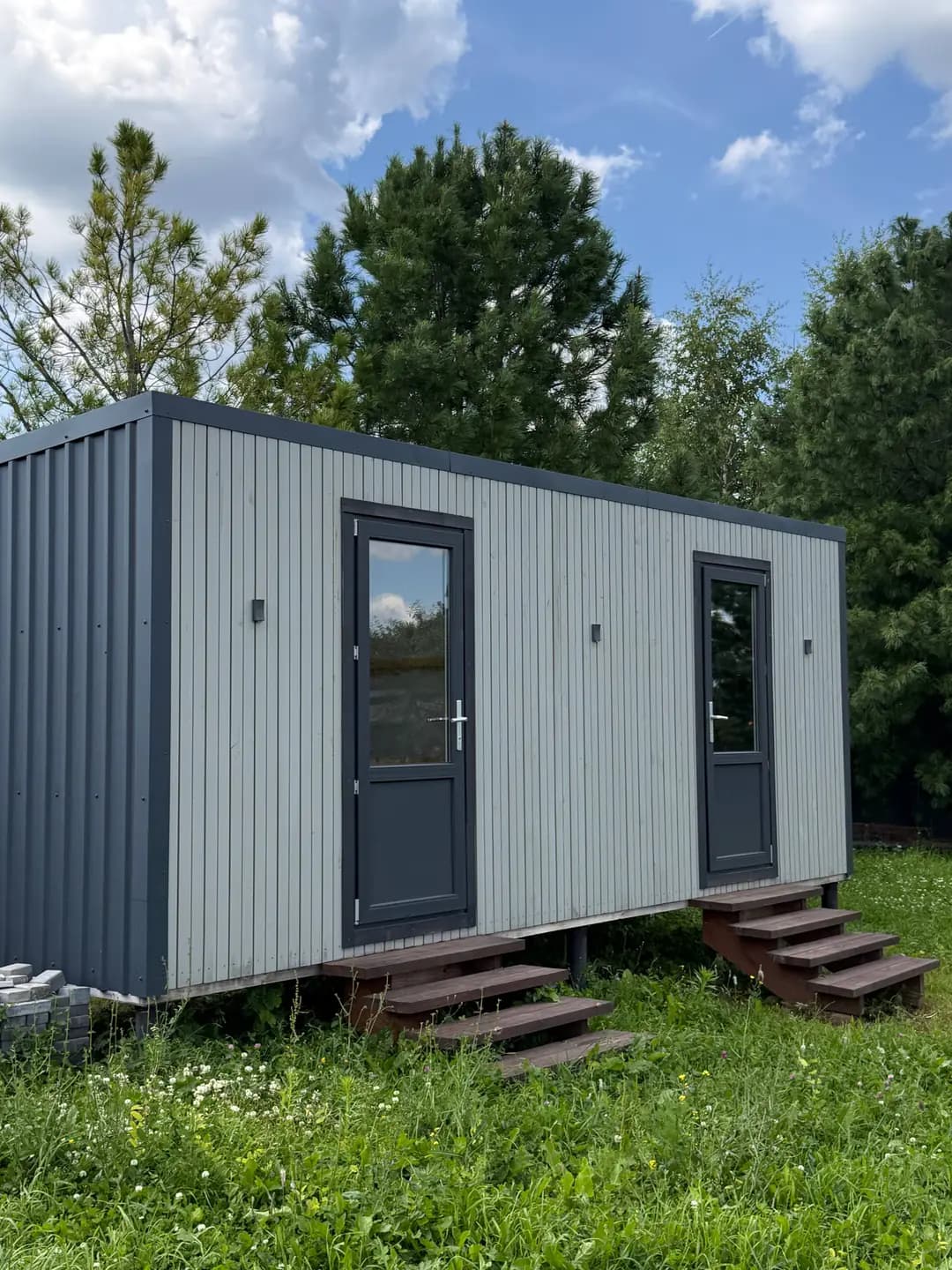
Plan the full site, then define a self-contained first phase. More modules do not automatically mean more profit; expand from evidence about demand, running costs and operational capacity.
Define the stay before choosing the unit
Choose the guest scenario you want to serve: a quiet couple's weekend, a family stay, outdoor activities or another clearly described visit. Identify the space, privacy, arrival and service expectations that follow. A generic 'for everyone' brief makes layout and operational decisions harder.
Do not infer demand from attractive competitor photographs or from a supplier's catalogue. Examine comparable local accommodation, available dates, the reasons people visit and the practical season you can operate. Record observations separately from assumptions; advertised availability and prices do not reveal another operator's actual occupancy or profit.
Design capacity for the complete site
Before placing the first module, coordinate the planned later units, access, parking, service routes and shared facilities. Have the responsible designers assess water, wastewater, electricity, drainage and other capacity needs for the intended stages. Do not assume an initial connection can simply support any number of extra cabins.
Leave practical space for maintenance and future construction without routing heavy work through an occupied guest area. Consider where deliveries, cleaning equipment, linen and waste handling will go. A site plan focused only on guest facades often hides these necessary functions.
Check accommodation requirements separately
eTurista explains that registration and categorisation procedures depend on accommodation type. Confirm the applicable route with the competent tourism authority. Building approvals and permission to operate accommodation are separate checks.
Make the first phase operationally complete
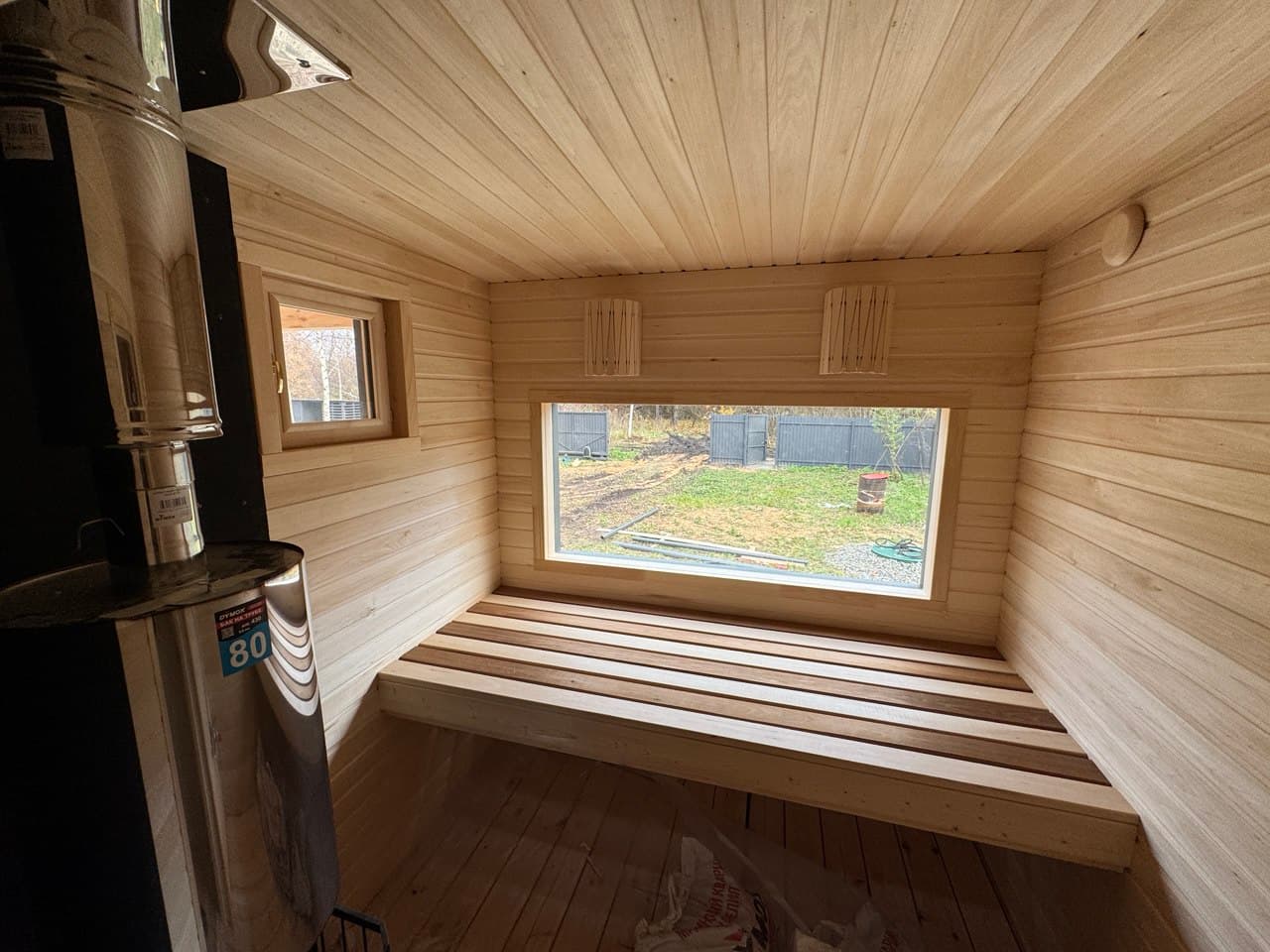
A modest first phase should still have everything necessary for the approved guest experience. Do not open a unit with unresolved access, essential services or safety checks simply because the exterior is finished. List what must be working before the first booking.
Use decision gates rather than promising expansion by a calendar date alone. The following sequence is a planning framework, not a fixed construction programme or a forecast of business results.
Plan the site
Confirm constraints, the intended stages and the relevant approvals.
Complete phase one
Deliver the agreed first units and all services needed to operate them.
Learn from operation
Record enquiries, occupied nights, guest feedback and actual operating effort.
Decide on expansion
Check demand and capacity before approving the next stage.
Track costs that follow every booking
Separate the initial investment from operating costs, and distinguish fixed operating costs from costs that vary with bookings. Cleaning, laundry, consumables, energy, booking fees and maintenance should not disappear behind the headline nightly rate. Account for your own time or the cost of someone doing the work.
Compare conservative, expected and stronger-demand scenarios using clearly stated assumptions. Start with the number of nights available and actually occupied. From revenue earned on completed bookings, subtract the variable costs associated with those bookings, then subtract fixed operating costs. Do not deduct the same fee or cost twice. Include planned downtime and maintenance reserves. This is a way to test assumptions, not evidence that a particular return will occur.
| Question | Useful record |
|---|---|
| Is demand repeatable? | Enquiries, bookings and occupied nights by period |
| Can the operation cope? | Cleaning time, staffing, faults and response workload |
| Does each booking leave enough after variable costs? | Revenue from completed bookings, with associated variable costs recorded separately |
| Is the site ready to grow? | Verified capacity, access and approved expansion scope |
Give the supplier a phased brief
Tell MODULA HOUSE the planned first stage, possible later stages and what is already confirmed on the plot. The catalogue's guest modules can be discussed as part of a coordinated accommodation concept, with layouts and specifications agreed for the intended operation.
Ask for a clear breakdown of module supply, installation, shared infrastructure and operating equipment. Keep any later stage provisional until its design and commercial terms are agreed. A clear first phase gives you a usable project record and a better basis for deciding what comes next.
Checklist
- The intended guest and experience are clearly described.
- The complete site is considered before positioning the first unit.
- Local accommodation and building requirements are checked separately.
- Phase one includes all services needed for its approved operation.
- Demand assumptions are distinguished from observed results.
- Expansion depends on operating evidence and verified site capacity.
Frequently asked questions
Does one successful weekend justify another cabin?
Not on its own. Look for repeatable demand across the periods you intend to operate, along with actual costs and the capacity to service more guests.
Can shared infrastructure be postponed?
Only where the first phase remains complete, compliant and functional, and later work has been designed. Essential infrastructure and services cannot be replaced by an expansion promise.
Does MODULA HOUSE guarantee occupancy or payback?
No. Building supply does not determine demand, nightly income, operating costs or business results. Evaluate those separately using your own verified assumptions.
A practical guide from a manufacturer. Qualified local professionals should confirm the technical and legal requirements for your particular plot and building.
Turn your plans into a project
Send us your plot location, intended use and preferred floor area. We can discuss the layout, specification and next steps.