Planning 5 min read
Modular-home delivery in Serbia: what determines the real project timeline
A production period is not the same thing as the time until you can use a finished home. Design decisions, site readiness, transport and final checks all have their own dependencies. A realistic programme makes those relationships visible before you commit to a delivery date.
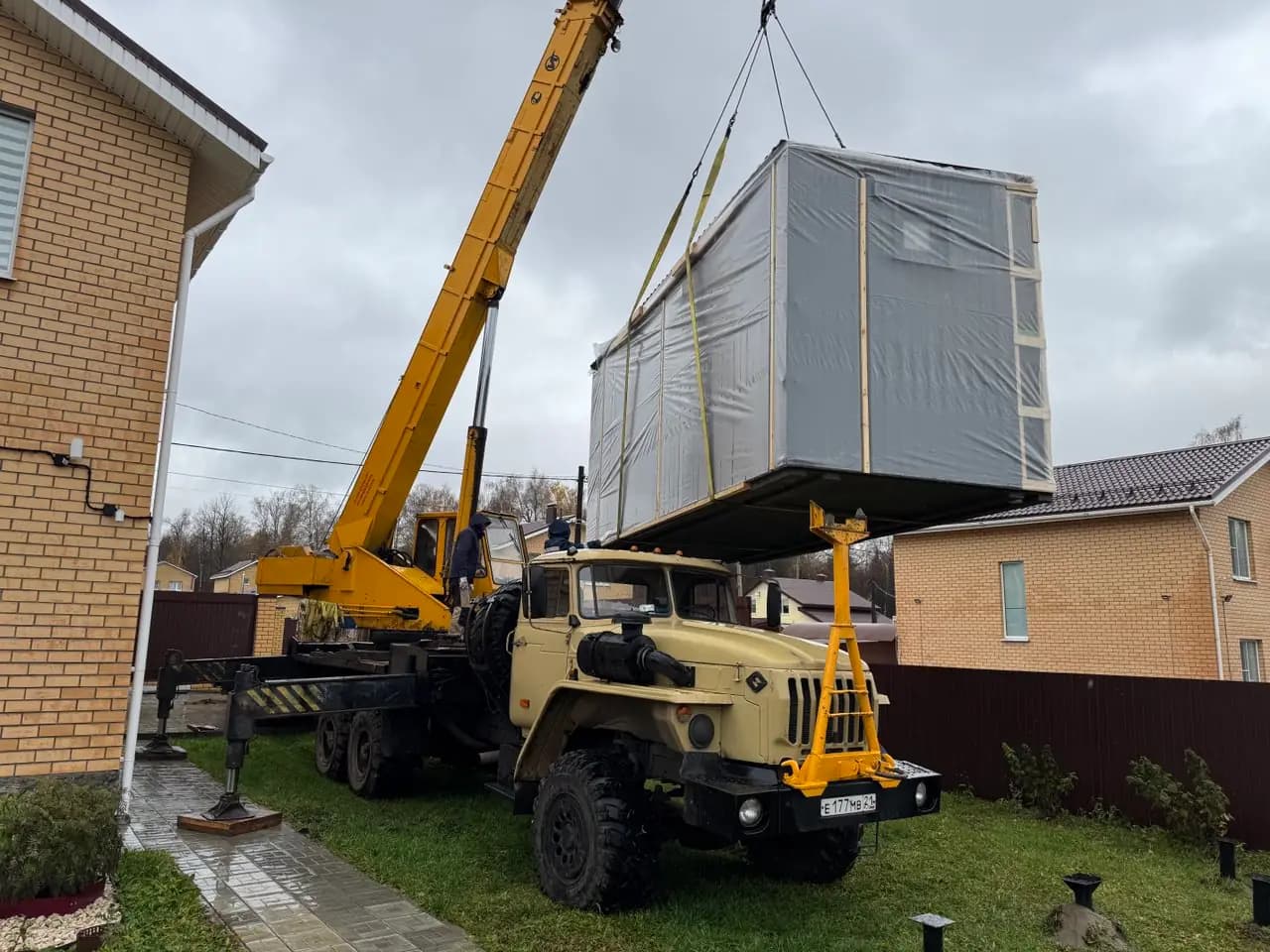
Ask for a project programme with named prerequisites and responsibilities. Treat manufacture, dispatch, installation and readiness for use as separate milestones rather than one interchangeable promise.
Define what each date means
When an offer mentions a short production period, ask when that period starts and what must already be agreed. Final drawings, selected equipment, payment conditions and other contractual prerequisites can affect the start. Do not compare two advertised durations without comparing their definitions.
Then distinguish completion in the workshop, departure of the truck, installation on the plot and completion of all checks and external work. A building can be ready to leave production while the plot is not ready to receive it. That is a coordination issue the programme should address explicitly.
| Milestone | What to confirm |
|---|---|
| Production starts | Approved scope and the agreed contractual prerequisites |
| Ready for dispatch | Building status, inspection and transport readiness |
| Installation | Site, access, lifting team and conditions for the work |
| Ready for intended use | Completed work at joints and connections, completed checks, and compliance with applicable local requirements |
Resolve design questions before they affect production
Keep one dated revision of the layout, openings, equipment and service points. Make sure the home supplier and the people preparing foundations and connections work from the same version. A late change may affect more than the item that looks different on the plan.
Use a simple change record: requested change, technical review, effect on cost and time, and written approval. Do not assume a message containing a new sketch is enough to alter an agreed production drawing. Ask who is authorised to approve the change on each side.
Run site work in parallel only with agreed information
Some site preparation can proceed while the building is manufactured, provided the design information and relevant permissions are ready. The responsible teams should establish which tasks can overlap and which depend on an earlier result.
The programme should show who completes and checks foundations, service routes, drainage and the installation area. Include a readiness review before dispatch. If one of those tasks slips, discuss its effect before the module is loaded rather than after the transport has started.
Let the carrier assess the actual route
Transport and lifting plans depend on the load, route, access and site conditions. Any required permissions, restrictions or temporary arrangements need to be addressed by the responsible parties. A route suitable for a smaller load does not automatically establish feasibility for the selected module.
Weather or ground conditions may also affect safe installation. Agree how the team communicates a change, who decides whether work can proceed and how rescheduling is handled contractually. A realistic plan allows for unresolved risks without inventing a universal number of contingency days.
Freeze the agreed design
Issue the coordinated drawings and specification.
Prepare building and site
Track production alongside the approved site tasks.
Confirm dispatch readiness
Check the route, foundations, services and installation plan.
Install and complete
Perform the agreed work, checks and documented handover.
Leave room for checks and external interfaces
After positioning, the agreed installation scope may include joining modules, finishing interfaces and connecting the building to prepared services. The exact work depends on the project and contract. Identify any tasks carried out by separate local contractors.
Arrange the necessary demonstrations and specialist checks under conditions that allow meaningful testing. If a service is not available, record what remains untested and who will complete it. Have the responsible local professionals confirm the administrative requirements for intended use separately from supplier handover.
Use the programme to manage decisions
For a MODULA HOUSE enquiry, send the plot location, intended use, preferred layout and any fixed constraints on access or timing. Explain which site works are already completed and which are still being arranged. This gives a much stronger basis for scheduling than a requested move-in date alone.
Ask for the current status at each milestone and the next decision needed from you. When conditions change, update the shared programme and responsibilities in writing. The purpose is to know what must happen next, not to present an optimistic date without its assumptions.
Checklist
- Each quoted period has a defined start and endpoint.
- The final design and service connections are coordinated in one approved revision.
- Parallel site work has the information and permissions it needs.
- A readiness check takes place before dispatch.
- Rescheduling responsibilities and communication are agreed.
- Handover and readiness for intended use are distinguished.
Frequently asked questions
Does a short manufacturing period mean I can move in immediately afterwards?
No. Delivery, installation, external work and checks may still be outstanding, and applicable local requirements may still need to be met. Ask for the complete project programme.
Can foundations be prepared while the home is being made?
Potentially, once the coordinated design and relevant conditions are confirmed. The responsible teams should agree which tasks can safely overlap.
Can the delivery date be fixed before the access route is assessed?
It should not be treated as confirmed without the necessary route and site checks. Clarify the conditions attached to any provisional date.
A practical guide from a manufacturer. Qualified local professionals should confirm the technical and legal requirements for your particular plot and building.
Turn your plans into a project
Send us your plot location, intended use and preferred floor area. We can discuss the layout, specification and next steps.